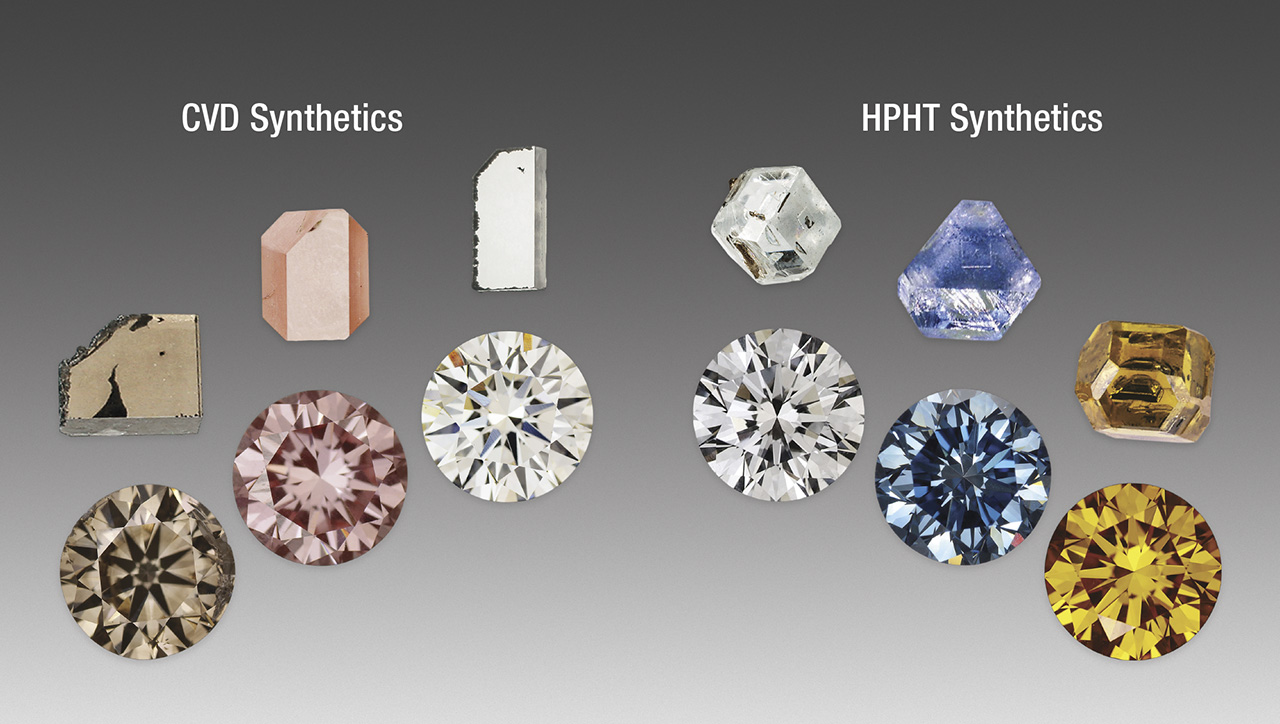
Artificial diamond, also known as lab-grown or synthetic diamond, is a man-made gemstone created through advanced technological processes that replicate the natural conditions under which diamonds form in the Earth’s mantle 人造鑽石. Although it shares the same physical, chemical, and optical properties as natural diamond, artificial diamond is produced in controlled laboratory environments rather than mined from the ground.
In recent years, artificial diamond has gained significant attention across multiple industries, including jewelry, manufacturing, electronics, and scientific research. Its rise reflects a broader shift toward sustainable materials and innovative production methods that reduce environmental impact while maintaining high performance and quality.
Unlike imitation stones, artificial diamond is real diamond. The only difference lies in its origin. This distinction has helped reshape perceptions in both commercial and scientific communities.
How artificial diamond is created through modern technology
The production of artificial diamond relies on sophisticated technological methods that simulate natural diamond formation. The two primary techniques used are High pressure High temperature and Chemical Vapor Deposition.
The High pressure High temperature method replicates the extreme conditions found deep within the Earth. Carbon is exposed to intense heat and pressure until it crystallizes into diamond structure. This process closely mirrors nature but occurs in a controlled laboratory setting.
The Chemical Vapor Deposition method involves placing a diamond seed in a sealed chamber filled with carbon-rich gases. Under carefully controlled conditions, carbon atoms gradually bond to the seed, layer by layer, forming a diamond crystal over time.
Both methods produce high-quality diamonds that are virtually identical to natural ones in composition and appearance. Advances in technology have made production more efficient, allowing artificial diamond to be created in larger quantities and with greater precision.
The use of artificial diamond in jewelry design
One of the most well-known applications of artificial diamond is in the jewelry industry. Consumers are increasingly drawn to lab-grown diamonds for their beauty, affordability, and ethical advantages.
Artificial diamond offers the same brilliance, clarity, and hardness as natural diamonds, making it an attractive option for engagement rings, necklaces, earrings, and other fine jewelry pieces. Jewelers appreciate the ability to offer high-quality stones with consistent characteristics and fewer supply limitations.
Designers also benefit from the flexibility of artificial diamond production, as it allows for customization in size, shape, and quality. This enables more creative freedom in crafting unique and personalized jewelry designs.
As awareness grows, artificial diamond is becoming a mainstream choice rather than a niche alternative.
Environmental and ethical advantages of artificial diamond
One of the key reasons for the increasing popularity of artificial diamond is its reduced environmental impact compared to traditional mining. Diamond mining often involves large-scale land excavation, energy consumption, and ecological disruption.
In contrast, artificial diamond production requires significantly less land use and can be managed in controlled environments with lower environmental degradation. This makes it a more sustainable option for environmentally conscious consumers.
Ethical considerations also play an important role. Concerns about conflict diamonds and unsafe mining conditions have led many consumers to seek alternatives that ensure transparency and responsible sourcing.
Artificial diamond provides a solution by offering traceable and conflict-free origins. This has strengthened its appeal in global markets where ethical sourcing is a growing priority.
Industrial applications of artificial diamond
Beyond jewelry, artificial diamond plays a crucial role in various industrial sectors due to its exceptional hardness and thermal conductivity.
In manufacturing, it is used in cutting, grinding, and drilling tools. These tools are highly effective in processing hard materials such as metals, ceramics, and composites. The durability of artificial diamond tools extends their lifespan and improves efficiency in industrial operations.
In the electronics industry, artificial diamond is used for heat management in high-performance devices. Its ability to conduct heat efficiently makes it valuable in semiconductor technology and advanced computing systems.
Scientific research also benefits from artificial diamond, particularly in high-pressure experiments and optical applications. Its stability and clarity under extreme conditions make it an important material in laboratories.
Comparison between artificial diamond and natural diamond
While artificial diamond and natural diamond are chemically identical, there are differences in origin, production time, and cost.
Natural diamonds are formed over millions of years deep within the Earth, while artificial diamonds are created in a matter of weeks or months in controlled environments. This difference in formation process contributes to variations in pricing.
Artificial diamond is generally more affordable than natural diamond, making it accessible to a wider range of consumers. This affordability does not compromise quality, as both types share the same physical properties.
In terms of appearance, even experts often require specialized equipment to distinguish between the two. This similarity has contributed to the growing acceptance of artificial diamond in the luxury market.
Market trends and consumer perception
The market for artificial diamond has experienced rapid growth in recent years. Increased awareness of sustainability and ethical sourcing has influenced consumer preferences, particularly among younger generations.
Many consumers now prioritize transparency and environmental responsibility when making purchasing decisions. As a result, artificial diamond has gained a strong foothold in the global jewelry market.
Retailers and manufacturers are also expanding their offerings to include lab-grown diamonds, reflecting changing demand patterns. This shift indicates a long-term transformation in how diamonds are perceived and valued.
Consumer education continues to play an important role in shaping perceptions, as more people learn about the benefits and characteristics of artificial diamond.
Technological innovation driving the future of artificial diamond
Ongoing advancements in technology are expected to further enhance the quality and accessibility of artificial diamond. Improvements in production methods are making it possible to create larger and more flawless crystals.
Automation and precision engineering are also increasing production efficiency, reducing costs, and improving consistency. These developments are likely to expand the use of artificial diamond across new industries.
Research into new applications continues to grow, particularly in fields such as quantum computing, medical technology, and advanced optics. The unique properties of diamond make it a valuable material for future innovations.
As technology evolves, artificial diamond is expected to play an even more significant role in both industrial and consumer markets.
Conclusion
Artificial diamond represents a major advancement in material science and modern manufacturing. Combining the beauty and strength of natural diamond with the benefits of controlled production, it has become an important alternative in both jewelry and industrial applications.
Its environmental advantages, ethical sourcing, and affordability have contributed to its growing popularity among consumers and industries alike. At the same time, ongoing technological progress continues to expand its potential uses and improve its quality.